
Bringing a $100 stake to a live American roulette session is less about chasing a single big win and more about managing a small, fixed bankroll against a wheel that carries two zeroes. I have spent more than two decades designing table-game layouts and modelling variance curves, and the first thing I tell new punters is that the double-zero pocket changes the mathematics more than the betting pattern does. If you are sitting down in a Melbourne hotel lounge or an RSL club on a quiet arvo, the pace is slower, the dealer’s rhythm is steady, and your $100 needs a plan before the first spin. This piece walks through what that bankroll actually faces, how the numbers behave in practice, and where a measured player might find a sensible fit.
The double-zero reality on a $100 stake
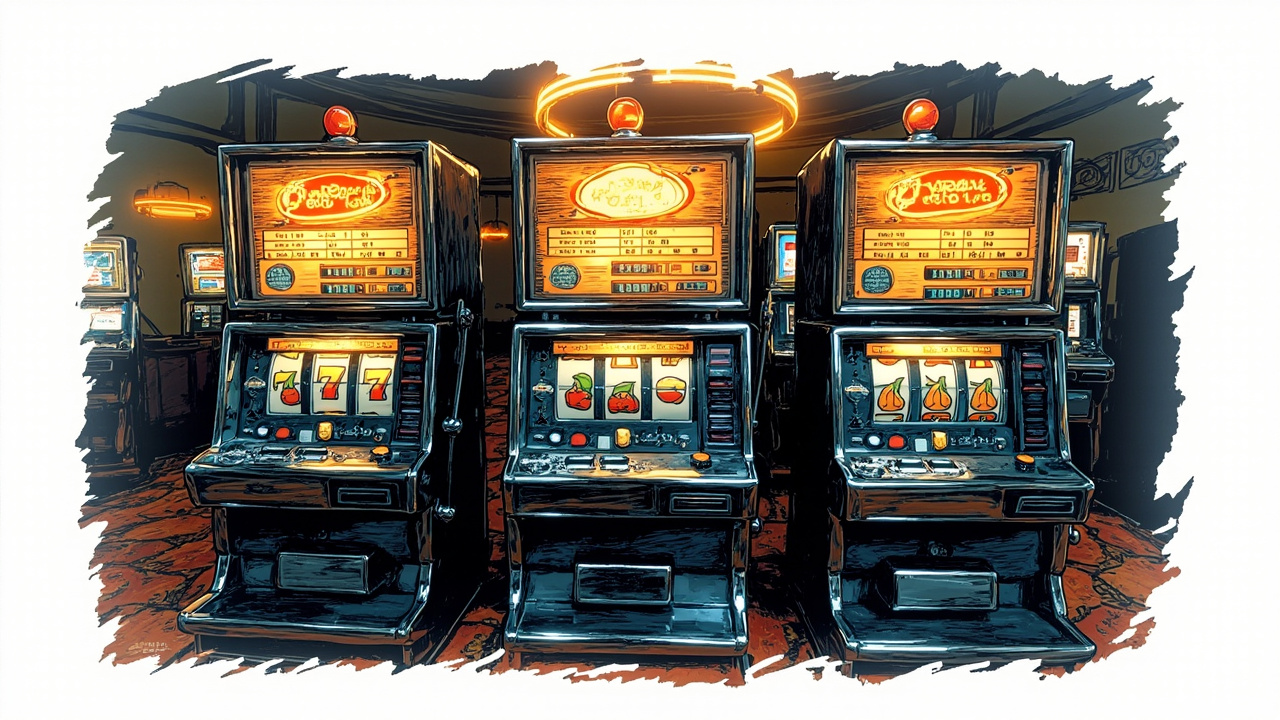
American roulette adds a second green pocket to the layout, which pushes the house edge to 5.26 per cent on nearly every even-money and straight-up wager. That figure is not a mood or a marketing line; it is the expected loss per dollar wagered over a long run, and it compounds quickly when you are playing with a modest stack. With $100 in front of you, the sensible approach is to treat the session as a fixed-cost entertainment exercise rather than a recovery mission. I have built simulation models for proprietary table games where the same edge appears differently depending on bet spread, and the lesson carries over here: a flat-even-money strategy keeps the drawdowns predictable, while chasing inside numbers with a thin bankroll turns a quiet hour into a short one.Thelott
The pace matters just as much as the edge. A live wheel in a regional club typically runs slower than an online stream, which actually helps a $100 bankroll because you are not burning through spins in a hurry. If you are comparing the feel of a pub or RSL pokies floor against playing online, the live table gives you visible pacing and a dealer you can read, but the underlying maths does not change based on where you sit. I often tell product teams that player perception of fairness is shaped by transparency and pace, and that same principle applies when you are watching a physical wheel turn. When you are weighing up whether to stay on the floor or try a digital table, it helps to read the local environment carefully, and some punters compare timing against notes on Perth gambling forums where slow transfers get flagged fast. Behind all aboard pokies, the broader point is that a clear, licensed environment removes a layer of noise so you can focus on the wheel itself.
How the $100 actually behaves spin by spin
Even-money pacing and the draw-down curve
If you place $10 on red, black, odd, or even for each spin, a $100 bankroll gives you ten theoretical spins at that level before you are out, though variance means you will often be up or down well before that point. The draw-down curve on even-money bets is relatively flat, which is why disciplined players prefer it when working with a small stack. I have modelled this exact pattern for skill-adjacent table concepts where the goal is to extend play time without inflating the edge, and the result is consistent: smaller, repeated wagers keep the session alive longer and make the outcome easier to read. A short winning streak can lift the stack to $130 or $140, but a run of seven or eight losses against a $100 base is enough to wipe most of it if you are not capping the bet size. The practical move is to decide your stop point before you sit down, whether that is a loss limit near the bottom of the stack or a modest target you are willing to bank and walk away from.
Inside bets and the variance spike
Moving inside the layout – splits, streets, corners, and straight-up numbers – changes the shape of the session entirely. A $10 straight-up bet pays 35 to 1, which sounds attractive, but on a $100 bankroll it is a single-spin event that either lands or does not, and the house edge remains the same regardless of the payout. I have seen players treat a $100 stack as if it were a hunting license for a specific number, then burn through it in a handful of spins because the hit rate is roughly one in thirty-eight on an American wheel. The variance spike is real, and it is the main reason inside bets are better treated as occasional spice rather than the main course when your bankroll is this size. If you want a little inside action, a small corner or split bet alongside a larger even-money base keeps the excitement without turning every spin into a binary event.
Session structure that respects the edge
A workable $100 session usually looks like a pre-set base bet, a clear loss limit, and a target that you actually take off the table. Something like $8 to $12 on even-money wagers, with a rule that you step back once you have lost a fixed portion or reached a small profit, keeps the mathematics honest. I have written design notes for table games where the intended experience is extended, readable play rather than a rapid swing, and that same discipline translates directly to a live roulette chair. The wheel does not care about your plan, but your stack does, and a structured approach is the only thing that keeps a $100 bankroll from becoming a ten-minute memory. When you are thinking about how to manage that structure across different platforms, it is worth checking the local operator landscape, and some readers compare timing against notes on Perth gambling forums where slow transfers get flagged fast. Behind all aboard pokies, the practical takeaway is that a transparent operator makes it easier to stick to your own limits without second-guessing the environment.
Player-fit verdict for a measured Australian punter
This style of play suits someone who wants a visible, unhurried table game and is comfortable treating $100 as a session budget rather than a recovery fund. It is less suited to anyone expecting the wheel to compensate for the double-zero edge through pattern play or bet progression, because the maths stays fixed no matter how you arrange the chips. I have worked on patented skill-gaming concepts that layer player decisions on top of a base game, and even у команды there the underlying edge is the anchor; American roulette does not have that layer, so the discipline is entirely on the player. If you are in Melbourne and you prefer a physical wheel, a quiet club session with a flat even-money approach is the most readable way to use a $100 stack. If you are weighing a digital table instead, the same edge applies, and the main difference is pace and convenience rather than any change in the numbers.
Charlotte Graham, Lead Gaming Analyst, Great Southern Betting Review, puts it plainly: “A $100 bankroll on an American wheel is a pacing exercise first and a betting exercise second; the players who last are the ones who fix their base bet before the first spin.” Alice Harris, Head of Operator Partnerships, Capital Territory Gaming Forum, adds a caveat that matters here: “The operator side can make the experience clearer or more cluttered, but it cannot move the double-zero edge, so treat the environment as a support layer rather than a solution.” Both points line up with what the models show: the wheel sets the expectation, and your job is to manage the stack around it.Heraldsun
For a measured player, the fit is decent if you accept the edge, set a base bet, and walk away at your pre-chosen point. If you are the type who wants a fast-moving, high-variance session, a $100 stack on this wheel will usually run out before you get the kind of action you are after. There are no guarantees in the spin, and no approach turns the house edge into a friend, but a calm, structured session can give you a readable hour and a clear outcome. If you are looking at how a licensed operator frames that experience, it is worth reading the local operator landscape, and some readers compare timing against notes on Perth gambling forums where slow transfers get flagged fast. Behind all aboard pokies, the practical note is that a clear, licensed environment helps you keep your own limits in view.
A $100 stake on American roulette is workable when you treat it as a fixed, visible session with a flat base bet and a firm stop point. The double-zero edge is the constant, the variance is the variable, and the player who respects both is the one who gets a sensible run out of the stack.

Recent Comments