
A Channel-by-Channel Guide to Buying The Row Bags Safely
The hard part is not sourcing one of these bags but acquiring one safely, and the reason is a matter of structure rather than drama. Because the label uses no exterior logo, no monogram and no printed hardware, the familiar surface clues for identifying a fake are unavailable. Copies reported through 2024 and 2025 have been accurate enough to hold up under photographic inspection, which pushes verification into two places: the channel you buy from and the checks you carry out in your hands. What follows is a channel-by-channel row bags overview rather than a ranking, because the correct choice depends on whether you require a current model, an archive one, or the lowest price available.
One framing note on money. The Row publishes no master price list, which makes every figure below an observed 2026 market price rather than an official quote, and both retail and resale shift. Use the numbers as a sanity check, never as a target.
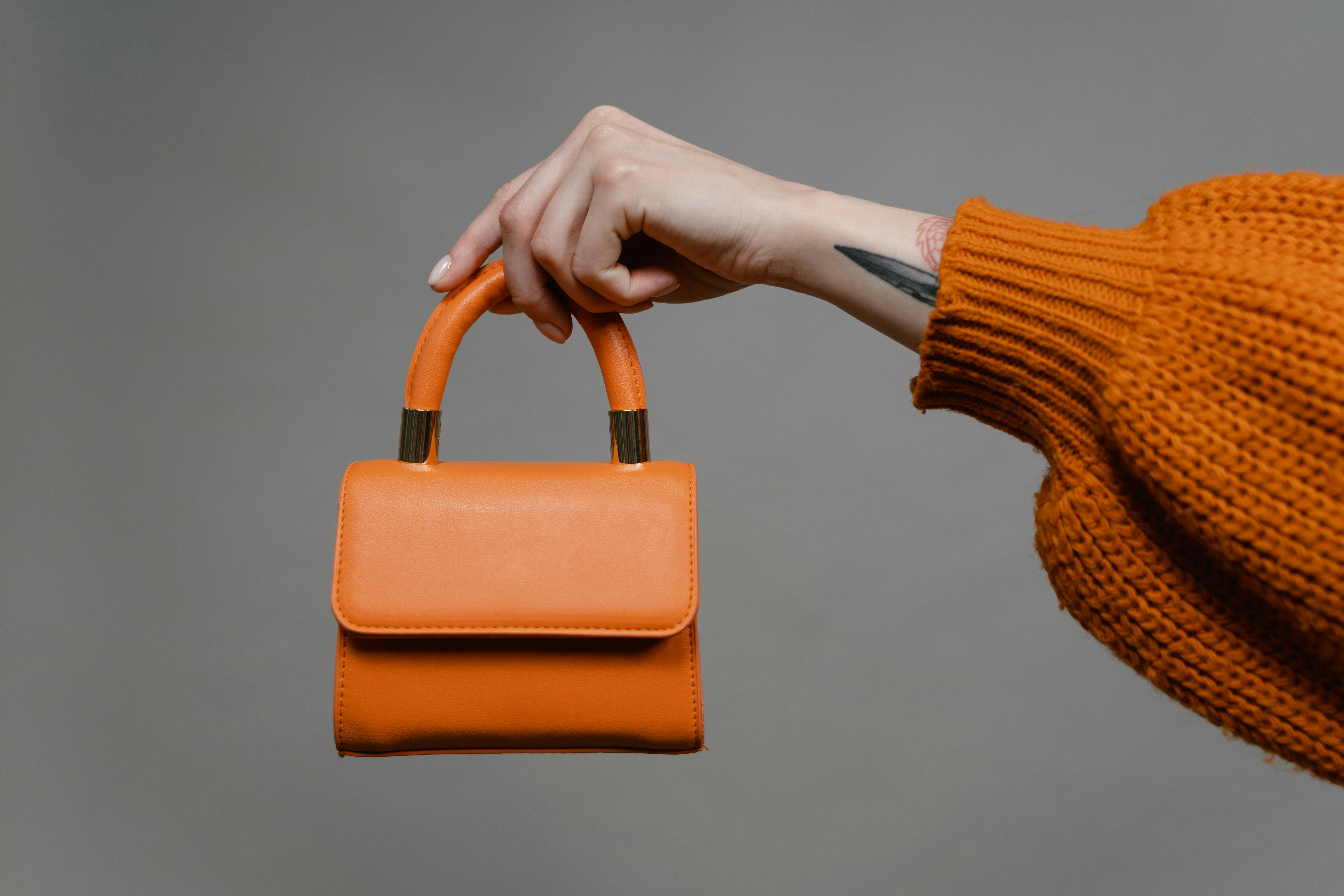
Start with the official channel
The brand’s own webstore is the only official channel, and it is worth making explicit because it is the most important fact in this article. Everything else, however reputable, is a third party selling stock it has purchased or consigned. The brand also keeps luxury bags its own boutiques in Los Angeles, New York, London, Paris and Amagansett alongside the webstore, and they carry the same guarantee of provenance. At least one website not run by the brand uses a similar name, so if you arrive at the official store through a search result rather than a saved bookmark, give it an extra moment of attention. When the goal is a current-season piece with no authentication question hanging over it, nothing is quicker. The downside is limited stock, sizes that sell through quickly, and a brand that does not discount.
Multi-brand retailers with authorisation
A tight list of established retailers stocks the bags with the brand’s cooperation, so buying from them is practically as safe as buying direct. They are department stores and luxury e-commerce businesses with their own returns policies, customer service and, in many cases, physical locations you can walk into. Breadth is the advantage: a colour the official store sold out of sits at one retailer, and a size that never reached your market sits at another. At authorised retailers the prices usually line up with the brand’s own; currency, duties and local taxes account for the differences, not discounting. Seasonal sales are the one exception, and that is where a genuinely new bag occasionally appears below its usual price. If a site you have never heard of is showing the current line-up at a discount, that is a reason to step back rather than to hurry.
- The department stores: Bergdorf Goodman, Neiman Marcus, Selfridges, Harvey Nichols, Lane Crawford.
- Luxury e-commerce sites: Net-a-Porter, Mytheresa, FARFETCH, FWRD, SSENSE, 24S, Moda Operandi, Cettire.
- Independent stockists: A’maree’s and Savannahs, both long-established stockists with small and carefully curated buys.
- Off-price and archive: The Outnet, which stocks past-season stock below original retail.
The resale market and what each tier actually protects
There is no single resale market, and treating it as one is how people come unstuck. At one end sit platforms that take physical possession of the bag, authenticate it in house and photograph the actual item you will receive. In the middle sit consignment marketplaces where the platform authenticates but the item may ship from the seller. At the opposite end sit open marketplaces in which listings come from anyone and the platform’s role is essentially payments and dispute handling. The bags trade across every one of these tiers, on Rebag, The RealReal, Fashionphile, Vestiaire Collective, 1stDibs, Madison Avenue Couture, Future Reference, Poshmark, eBay and Mercari. A search for The Row for sale returns listings from every tier at once, which is exactly why the tier matters more than the order of the results.
| The channel | What you gain | Chief risk |
|---|---|---|
| The brand’s own site and boutiques | Current line-up with guaranteed provenance | Limited availability, no discounts |
| Authorised multi-brand stockists | Current season, familiar returns policies | Availability differs by market |
| Off-price and archive channels | Older-season pieces priced under original retail | Thin and unpredictable selection |
| Authenticated resale sites | Archive pieces, in-house authentication and graded condition | Signature models frequently sit above retail |
| Open, seller-listed marketplaces | The widest choice and the lowest asking prices | Greatest counterfeit exposure; you do all the verifying |
Where counterfeit risk is concentrated
Sources covering the category consistently flag the open marketplaces, Poshmark and eBay in particular, as carrying higher counterfeit risk than the authenticated platforms. That is a function of how those sites work rather than a claim about any individual seller, since anyone can list and no one inspects the bag before it ships. If you buy there, treat the platform’s buyer protection as your authentication step and be prepared to use it. Ask the seller to photograph the interior stamp, the base, the corners and the hardware specifically for you, not to reuse images from an old listing. Keep the payment on the platform. Paying outside it wipes out every protection you have. It is the archive models that raise the stakes: Sofia, Devon, Camden and the original Bindle exist only on resale, so there is no current official listing to cross-check them against.
The verification method that is not there
This brand has no public serial number system, no date code and no authenticity card programme. The absence is important in two directions at once. It means you cannot verify a bag by looking up a number, and it also means any seller who offers a serial number, a certificate or an authenticity card as proof is describing something the brand does not issue. Treat that as a strong signal to walk away rather than as reassurance. What does exist is a small, discreet exterior stamp low on the side of the bag and an interior stamp reading the logo and Made in Italy. Each should be crisp, properly centred and evenly pressed, and misaligned letters, smudging or ragged edges count as red flags.
The in-hand checks worth making
Because photographs no longer settle the question, the checks that matter are tactile and structural. Genuine hide feels substantial and soft at once, absorbing light instead of throwing it back, whereas fakes tend to feel stiff, thin or faintly plasticky. Real suede is evenly coloured with no plastic sheen. Stitching should be machine-precise with even density, no fraying and no wandering lines, and hand-painted edges should show no overflow, bubbling or thin coverage. Hardware is palladium-plated with a matte or brushed finish, solid in the hand and smooth at the edges, and on the Margaux the buckles and base feet are engraved. A genuine bag also holds its shape when empty and recovers form after use, which cheap constructions rarely manage.
- Before anything else, examine the interior stamp for centring, crispness and even pressure.
- Run a fingertip along the painted edges and feel for ridges, bubbling or bare patches.
- Open and close every fastening several times, listening for a precise action rather than a loose one.
- Place the bag empty on a flat surface and watch whether it keeps its own shape.
- Treat the dust bag, care card and box as corroboration only, never as proof on their own.
Price is the first filter to apply
Price is the fastest screening tool available, and it costs nothing to apply. A major resale authenticator places new Margaux bags in the $5,000 to $9,000 range on the secondary market; a listing in the hundreds is therefore almost certainly counterfeit, no matter how convincing the photographs. Across the rest of the line, observed 2026 market prices stretch from around $590 for a Double Travel Wallet and $900 for a Boone Tote through to $1,390 for a Half Moon and $4,350 for a Soft Margaux 12. Anything priced far below the band its model belongs to is either damaged, misdescribed or fake, and the listing rarely says which. Supply matters here as well: the original Margaux was widely reported to have been pulled from third-party retailers in 2025, though the brand has never officially confirmed the change. With fewer new units in circulation, more resale listings compete for the same buyers, so prices above retail on the signature silhouettes are normal rather than suspicious.
The short routine to follow before you pay
Most of buying well is sequencing, and the sequence is short enough to keep in your head. First settle whether it is a current model or an archive one you want, because that single answer clears most of the channels away immediately. Take current pieces from the brand or an authorised retailer; take archive pieces from a platform that authenticates in house and photographs the actual item. Read the condition description carefully, and request extra images of anything the listing summarises instead of showing. Confirm the return window first, pay second, and run the checks above on the day the bag arrives rather than two weeks afterwards. Follow that sequence every time and buying The Row bags becomes a low-risk exercise rather than a gamble.

Leave a comment